
The allure of chance and risk
The intrinsic appeal of casino games primarily stems from the thrill of chance and the notion of risk. Players are often drawn to the uncertainty that these games present, where the outcome is unpredictable. This element of surprise creates an adrenaline rush, stimulating the brain’s reward centers. When individuals experience wins, even if modest, it reinforces a positive emotional response, compelling them to engage in further play, particularly when they encounter online casino instant withdrawal options that enhance their gaming experience. This cycle of anticipation and reward taps into the fundamental aspects of human psychology, especially in relation to risk-taking behavior.
Moreover, the excitement offered by games is not solely about winning money. Many players find enjoyment in the game mechanics themselves, such as the spinning reels of a slot machine or the strategic decisions involved in poker. This complexity can engage players on multiple cognitive levels, encouraging them to return for more. The unpredictability of outcomes fuels a sense of hope and possibility, fostering an environment where even the smallest win can feel monumental, creating a compelling cycle that keeps players coming back for more.
Additionally, social interactions play a pivotal role in the attraction of casino games. Many casinos are designed to foster community, with group games and social spaces that enhance the player’s experience. The combined thrill of competition and camaraderie can amplify the enjoyment factor, providing a shared emotional journey. This social dimension satisfies a basic human need for connection, making casino games a multifaceted experience that goes beyond the mere act of gambling.
The role of cognitive biases
Cognitive biases significantly influence how players perceive their experiences in casino environments. One of the most prevalent biases is the illusion of control, where players believe they can influence outcomes despite the inherent randomness of games. For instance, a player might think that a certain strategy or choice will lead to better outcomes. This bias can lead to increased gambling behavior, as individuals tend to interpret their wins as evidence of their skill, further entrenching them in the cycle of play.
Another common bias found in casino gaming is the gambler’s fallacy, where individuals mistakenly believe that past events influence future outcomes. For example, a player may think that if a particular number hasn’t come up in roulette recently, it is due to come up soon. This misconception can lead to increased betting, as players try to predict outcomes based on prior results. These biases reveal how cognitive distortions can create a false sense of understanding in randomly determined games, impacting players’ gambling strategies and decisions.

Furthermore, the framing effect plays a crucial role in how players react to wins and losses. When outcomes are presented positively—such as highlighting winnings—players are more likely to continue playing, despite their overall losses. This manipulation of perception leverages both emotional responses and cognitive biases, leading players to overlook the bigger picture of their gambling behavior. Understanding these biases provides insight into why individuals often engage in gambling despite the risks involved, as they navigate a landscape filled with cognitive traps.
The impact of sensory stimuli
The sensory environment within casinos is meticulously crafted to enhance the gaming experience, employing various stimuli that evoke emotional responses. Bright lights, sounds of coins clinking, and the vibrant colors of gaming machines create a multisensory immersion that captivates players. These elements are designed to evoke excitement and positive emotions, making the gaming environment more appealing. The constant stimulation can overshadow rational decision-making, drawing players deeper into the experience.
In addition, research suggests that certain colors and sounds can influence player behavior and decision-making. For example, the use of warm colors like red and gold can evoke feelings of warmth and excitement, while soft music can create a relaxed atmosphere. These carefully orchestrated elements can manipulate a player’s mood and encourage prolonged engagement with games. The impact of these sensory stimuli is profound, as they not only attract players but also serve to enhance their emotional connection to the gaming experience.
The use of rewards further amplifies engagement. Payout notifications, celebratory sounds for wins, and loyalty programs create positive feedback loops that keep players invested. When players experience wins accompanied by vivid sensory feedback, they are more likely to develop a strong attachment to the game and the casino itself. This ongoing reinforcement can lead to increased frequency and duration of play, illustrating how sensory experiences play a crucial role in shaping gambling behavior.
The psychological effects of winning and losing
The emotional highs and lows of winning and losing in casino games can have profound psychological effects on players. Winning often induces feelings of elation and satisfaction, triggering the release of dopamine—a neurotransmitter linked to pleasure and reward. This pleasurable experience can lead to a desire to repeat the action, creating a cycle where players seek out the thrill of winning. In contrast, losses can result in frustration or sadness, leading some players to chase their losses in hopes of turning their situation around, a behavior often referred to as “loss chasing.”
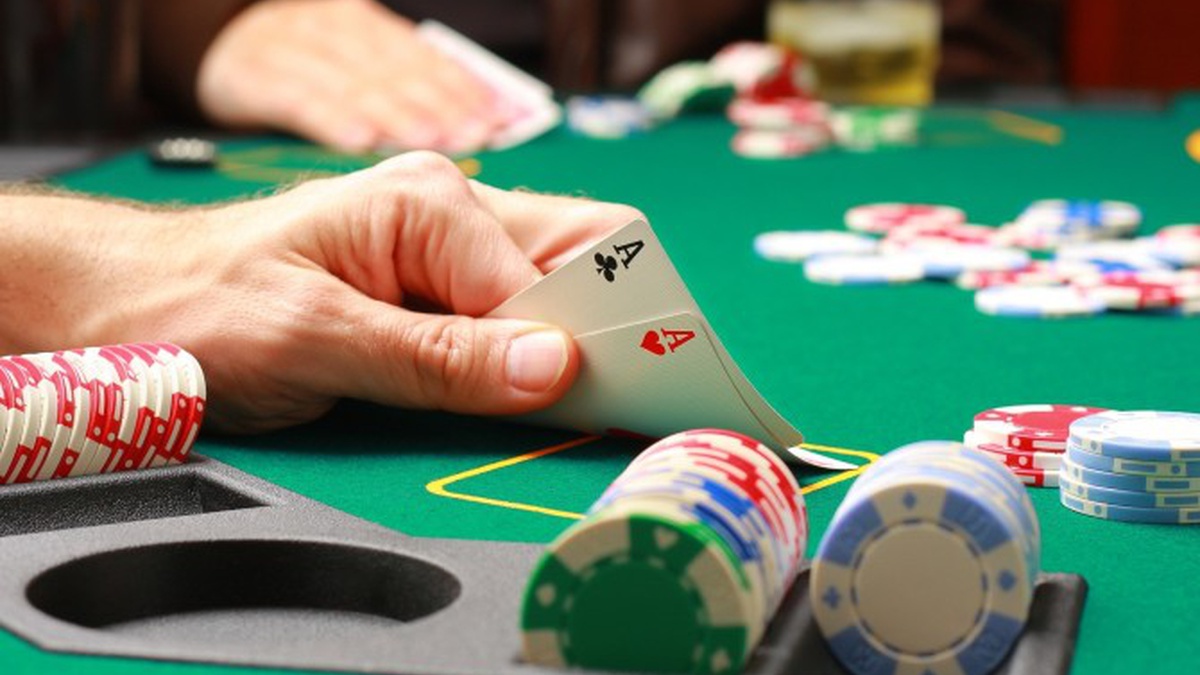
Moreover, the social context of winning can amplify the psychological impact. Winning in front of others can enhance feelings of self-esteem and validation, reinforcing positive emotions and encouraging continued participation in gambling activities. On the other hand, losing can be a source of shame or disappointment, especially in social situations where peers may witness these losses. This paradox creates a complex emotional landscape where individuals navigate victories and defeats while grappling with their self-image and social perceptions.
Ultimately, the psychological ramifications of gambling behavior can have long-lasting effects. For many individuals, the thrill of gambling may lead to compulsive behaviors, especially when the stakes are high. Understanding the psychology of winning and losing provides insights into how emotional experiences shape gambling patterns and the potential risks that come with such behaviors. This duality of experience highlights the intricate balance between pleasure and pain in the world of casino gaming.
Insights from the website
At the core of exploring the psychology behind casino games lies an opportunity for deeper understanding. By delving into the cognitive, emotional, and sensory aspects of gambling, one can appreciate the intricate dynamics that play out within casino environments. Whether you are a casual player or a more serious gambler, understanding these psychological factors can inform your choices and help mitigate risks associated with gambling.
Additionally, the wealth of information available online allows enthusiasts to learn more about responsible gambling practices and to gain insights into their own behaviors. Resources that dissect the psychology of gaming can empower individuals to make informed decisions, enhancing their overall experience while minimizing potential negative consequences. Engaging with educational content can foster a healthier relationship with gambling, leading to more fulfilling experiences.
In conclusion, the interplay of chance, cognitive biases, sensory stimulation, and emotional responses paints a complex picture of why people are drawn to casino gaming. Through continuous exploration of these psychological elements, players can navigate the enticing yet often perilous world of gambling with greater awareness and understanding.